Uncategorized

RAID Server Recovery Mumbai

RAID Server Recovery Mumbai

RAID Server Recovery Mumbai is a specialized service designed to recover critical business data from failed, corrupted, or damaged RAID server systems. Whether your RAID array has suffered from hard drive failure, controller malfunction, accidental deletion, file system corruption, or power outages, professional recovery experts use advanced diagnostic tools and cleanroom techniques to restore your valuable information safely. At Data Recovery Mumbai, we provide reliable RAID Server Recovery Mumbai solutions for RAID 0, RAID 1, RAID 5, RAID 6, RAID 10, NAS, SAN, and enterprise server storage systems. Our experienced engineers perform a detailed analysis before starting the recovery process to maximize the chances of successful data restoration while maintaining complete data confidentiality. We support Windows, Linux, Unix, and virtual server environments, ensuring minimal downtime for businesses of all sizes. Using industry-leading recovery technology, we retrieve databases, emails, business documents, virtual machines, and other mission-critical files from logically and physically damaged RAID servers. With fast turnaround times, transparent pricing, and a customer-focused approach, we are committed to delivering secure and dependable RAID Server Recovery Mumbai services. If your organization has experienced unexpected server data loss, trust our experts to recover your important data quickly and efficiently with the highest standards of security and professionalism.

RAID Server Recovery Mumbai Read More »

SSD Data Recovery Mumbai

SSD Data Recovery Mumbai

When your SSD stops working or important files become inaccessible, choosing a trusted SSD Data Recovery Mumbai service is the best way to recover your valuable data safely. Solid State Drives (SSDs) offer high speed and reliability, but they can still fail due to controller issues, firmware corruption, power failure, accidental deletion, formatting, or physical damage. Recovering data from an SSD requires advanced tools and specialized expertise because SSDs use complex technologies such as TRIM and wear leveling. At Data Recovery Mumbai, our experienced engineers provide professional SSD Data Recovery Mumbai solutions for all major SSD brands, including SATA, NVMe, M.2, PCIe, and external SSDs. We perform a detailed diagnosis to determine the cause of data loss and use industry-leading recovery techniques to retrieve documents, photos, videos, databases, and business files with maximum success. Our secure recovery process ensures complete confidentiality and protects your sensitive information throughout every stage of recovery. Whether your SSD is not detected, accidentally formatted, corrupted, or physically damaged, our SSD Data Recovery Mumbai experts are ready to help with fast turnaround times and transparent pricing. We are committed to delivering reliable recovery services for individuals, businesses, professionals, and organizations across Mumbai. If your data is important, stop using the SSD immediately and consult our specialists to improve the chances of successful recovery. Choosing our SSD Data Recovery Mumbai service means trusted expertise, advanced technology, and dependable support for all your SSD data recovery needs.

SSD Data Recovery Mumbai Read More »

Hard Disk Data Recovery Mumbai

Hard Disk Data Recovery Mumbai

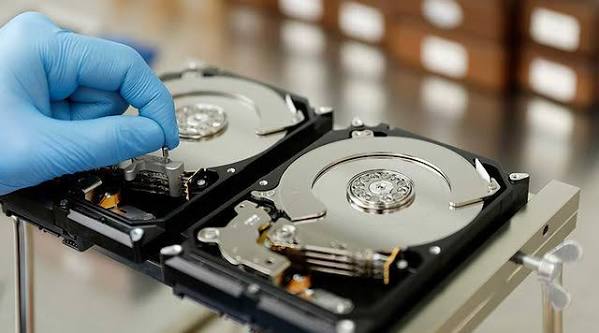
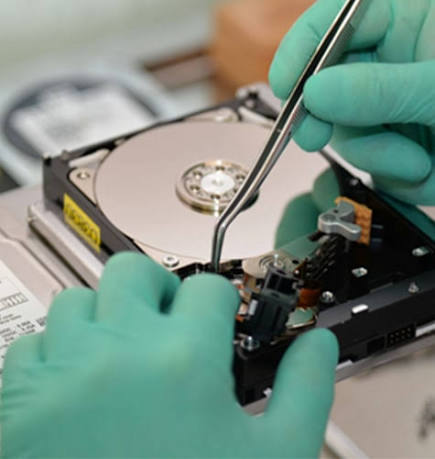
Hard Disk Data Recovery Mumbai is the ideal solution when your valuable data becomes inaccessible due to hard drive failure, accidental deletion, formatting, virus attacks, or physical damage. Losing important business files, personal documents, photos, or videos can be stressful, but professional recovery services can help restore your critical information safely. At Hard Disk Data Recovery Mumbai, we specialize in recovering data from internal and external hard drives of all leading brands. Our experienced engineers use advanced recovery tools and cleanroom techniques to retrieve data from damaged, corrupted, or crashed hard disks. Whether your hard drive is making clicking noises, not being detected, or has suffered logical corruption, we provide reliable recovery solutions. Our Hard Disk Data Recovery Mumbai service supports desktop HDDs, laptop hard drives, enterprise storage devices, and external USB drives. We ensure complete data confidentiality throughout the recovery process. Every recovery case begins with a detailed diagnosis to determine the best recovery method. Our experts aim to recover maximum data while maintaining the integrity of your files. With years of experience and industry-leading technology, we offer fast turnaround times and high recovery success rates. We understand how important your data is and work diligently to restore it efficiently. From personal users to corporate organizations, we serve clients across Hard Disk Data Recovery Mumbai with trusted data recovery solutions. Our transparent pricing and customer-focused approach make us a preferred choice for data recovery services. If your hard drive has failed unexpectedly, avoid using it further and consult our specialists immediately. Timely professional assistance can significantly improve the chances of successful recovery. Choose our Hard Disk Data Recovery Mumbai service for secure, reliable, and affordable data restoration. Contact our experts today to recover your lost data with confidence and peace of mind.

Hard Disk Data Recovery Mumbai Read More »

Data Recovery in Mumbai

Data Recovery in Mumbai

Data Recovery in Mumbai is the ideal solution when your important files become inaccessible due to accidental deletion, hard drive failure, virus attacks, system crashes, or corrupted storage devices. Whether you have lost personal photos, business documents, office databases, or confidential files, professional Data Recovery in Mumbai services help restore your valuable data safely and efficiently. Experienced technicians use advanced recovery tools and proven techniques to recover data from hard drives, SSDs, RAID servers, laptops, desktops, USB drives, memory cards, NAS devices, and mobile phones. Every recovery process begins with a detailed diagnosis to identify the cause of data loss and determine the best recovery method. Trusted Data Recovery in Mumbai providers prioritize data confidentiality, secure handling, and high recovery success rates for both individuals and businesses. From logical failures to complex physical damage, expert recovery services are designed to retrieve your critical information with minimal downtime. With modern technology, skilled engineers, and fast turnaround times, Data Recovery in Mumbai ensures your important data is recovered quickly and securely. If you are facing unexpected data loss, choosing a reliable recovery specialist can save valuable time, money, and irreplaceable digital information while maintaining complete privacy throughout the recovery process.

Data Recovery in Mumbai Read More »

laptop screen issue solutions

Demystifying Laptop Screen Issues: A Guide from Flickering to Black Screens

Your laptop’s screen is the gateway to your digital world, but what happens when it starts acting up? From annoying flickers to ominous black screens, screen issues can be a cause for concern. In this comprehensive guide, we’ll delve into the common laptop screen problems, exploring the causes behind them and providing practical solutions to bring your display back to life. Conclusion: From flickering annoyances to the ominous black screen, understanding the reasons behind these laptop screen issues empowers users to tackle problems head-on. Whether through simple troubleshooting steps or seeking professional assistance, this guide aims to help users reclaim the clarity and vibrancy of their laptop displays. Remember, a healthy screen ensures a more enjoyable and productive computing experience.

Demystifying Laptop Screen Issues: A Guide from Flickering to Black Screens Read More »

External Hard Disk Data Recovery

what are Data Recovery Software?

Data recovery software is a type of application designed to retrieve and restore lost or deleted data from storage devices like hard drives, solid-state drives, USB drives, memory cards, and more. These tools are particularly useful when data loss occurs due to accidental deletion, formatting, software errors, or other non-physical damage causes. Data recovery software works by scanning the storage device for remnants of the lost data and attempting to recover it. Here are some key characteristics and functionalities of data recovery software: It’s important to note that the effectiveness of data recovery software depends on the specific circumstances of data loss. In cases of physical damage to storage devices, software solutions may not be effective, and professional data recovery services may be required. When using data recovery software, it’s essential to act quickly to maximize the chances of successful data retrieval and avoid overwriting the lost data.

what are Data Recovery Software? Read More »

data loss protection tips

what are the Causes of Data Loss?

Data loss can occur for various reasons, and it can be a distressing and costly experience. Here are some common causes of data loss: To prevent data loss, it’s essential to regularly back up your data, use reliable hardware and software, and follow best practices for data management and security. Additionally, consider implementing data recovery solutions and disaster recovery plans to mitigate the impact of potential data loss incidents.

what are the Causes of Data Loss? Read More »

Data Recovery Services in Mumbai Andheri

Introduction: Data loss can be a devastating experience, causing panic and anxiety. Whether it’s due to a hardware failure, accidental deletion, or a virus attack, the loss of valuable data can disrupt your personal and professional life. Fortunately, Data Recovery Mumbai in Andheri is here to provide you with the most reliable and professional data recovery services in the city. About Data Recovery Mumbai: Data Recovery Mumbai is a trusted name in the field of data recovery, serving individuals and businesses in the Andheri area and beyond. With years of experience and a team of highly skilled technicians, we specialize in recovering lost data from a variety of storage devices, including hard drives, SSDs, USB drives, memory cards, and more. Our Services: Hard Drive Data Recovery: Our experts can recover data from damaged or failed hard drives, whether it’s due to physical or logical issues. SSD Data Recovery: We have the expertise to retrieve data from malfunctioning SSDs, even in complex cases. RAID Data Recovery: If you’re facing data loss in a RAID array, we offer specialized recovery services to get your data back intact. Laptop and Desktop Data Recovery: We recover data from both Windows and Mac systems, ensuring comprehensive coverage. External Drive Recovery: Whether it’s a USB drive, external HDD, or NAS, we can recover data from all types of external storage devices. Memory Card Recovery: If your precious photos or important files are stuck on a corrupted memory card, we can help. Data Retrieval from Damaged Devices: We can recover data from devices that have been physically damaged due to accidents or mishandling. Data Backup Solutions: We also provide data backup solutions to prevent future data loss incidents. Why Choose Data Recovery Mumbai? Expert Technicians: Our team comprises highly trained and experienced technicians who stay updated with the latest data recovery techniques. Cutting-Edge Technology: We use state-of-the-art equipment and tools to ensure the highest success rates in data recovery. Confidentiality: We understand the sensitivity of your data, and we maintain strict confidentiality throughout the recovery process. Quick Turnaround: We offer quick and efficient data recovery services to minimize your downtime. Affordable Pricing: Our pricing is competitive, and we provide transparent quotes upfront. Customer Satisfaction: Our primary goal is customer satisfaction, and we go the extra mile to ensure you get your data back. Conclusion: Data Recovery Mumbai in Andheri is your trusted partner when it comes to recovering lost data. Don’t let data loss disrupt your life or business operations. Contact us today, and our team will work tirelessly to retrieve your valuable data and get you back on track. Your data is precious, and we’re here to ensure it’s never lost for good.

Data Recovery Services in Mumbai Andheri Read More »

data_recovery

RAID Data Recovery: Strategies for Restoring Redundant Arrays

In the world of data storage, Redundant Array of Independent Disks (RAID) configurations are a popular choice for organizations and individuals looking to enhance data reliability and performance. RAID arrays distribute data across multiple disks, providing redundancy and increased I/O performance. However, even with these benefits, RAID arrays are not immune to data loss. When data becomes inaccessible or compromised within a RAID setup, it’s essential to have a strategy for RAID data recovery. In this article, we’ll explore RAID data recovery strategies to help you restore your valuable data. Understanding RAID Levels Before diving into RAID data recovery strategies, it’s crucial to understand the different RAID levels and how they impact data recovery. There are several RAID levels, each offering varying degrees of redundancy and performance. Here are some of the most common RAID levels: RAID 0: Also known as striping, RAID 0 offers increased performance but no redundancy. Data is divided and written across multiple drives, which can lead to faster read and write speeds. However, if one drive fails, all data is lost. RAID 1: RAID 1, or mirroring, provides full redundancy. Data is duplicated on two or more drives, ensuring that if one drive fails, the data is still accessible from the mirrored drive(s). RAID 1 is excellent for data redundancy but doesn’t offer improved performance. RAID 5: RAID 5 uses block-level striping with distributed parity. It offers a balance between performance and redundancy. Data is striped across multiple drives, and parity information is distributed. If one drive fails, data can be rebuilt using the parity information. RAID 6: Similar to RAID 5 but with dual parity. RAID 6 can withstand the failure of two drives simultaneously, providing higher fault tolerance. This level offers good redundancy and moderate performance. RAID 10: Also known as RAID 1+0, RAID 10 combines mirroring and striping. Data is mirrored across multiple pairs of drives, and then these mirrored pairs are striped for improved performance and redundancy. RAID Data Recovery Strategies Now, let’s explore RAID data recovery strategies to help you recover data in the event of a RAID array failure: 1. Identify the Issue The first step in RAID data recovery is identifying the problem. Is it a single drive failure, multiple drive failures, or a controller issue? Understanding the nature of the problem will guide your recovery efforts. 2. Isolate Failed Drives If you suspect a drive has failed, it’s essential to isolate it to prevent further damage or data loss. Mark the failed drive and remove it from the RAID array. Be cautious not to accidentally replace a good drive. 3. Verify Data Backup RAID is not a substitute for regular data backups. Before attempting data recovery, check if you have a recent backup. If so, you can restore data from the backup without the need for complex recovery procedures. 4. Consult RAID Documentation Consult the documentation or user manual for your RAID controller or NAS device. Understanding the manufacturer’s recommended procedures for data recovery can be invaluable. 5. Professional Data Recovery Services In cases of severe RAID failures or data corruption, it’s often best to seek professional data recovery services. These experts have specialized tools and expertise to recover data from RAID arrays, even in complex scenarios. 6. Rebuild the Array If the issue is a single drive failure, replace the failed drive with a new one of the same specifications. Follow the manufacturer’s instructions to rebuild the RAID array. Be patient; this process can take some time. 7. Restore Data Once the array is rebuilt, you can restore data from your backup or use specialized software for RAID data recovery. Ensure that you have a copy of the RAID configuration before attempting recovery. 8. Monitor the Array After recovery, monitor the RAID array for any signs of issues. Regularly check drive health and RAID status to proactively address any problems. 9. Data Migration Consider migrating data to a more reliable RAID configuration or storage solution to prevent future data loss. This may involve upgrading to a RAID level with greater redundancy or moving data to a network-attached storage (NAS) device. 10. Preventive Measures Finally, implement preventive measures to minimize the risk of future RAID failures. This includes regular data backups, monitoring drive health, and performing firmware updates and regular maintenance on RAID controllers. Conclusion RAID data recovery can be a complex and challenging process, depending on the RAID level and the nature of the failure. Understanding your RAID configuration, following best practices, and seeking professional help when needed are key to successful recovery. Remember that while RAID offers redundancy, it’s not a substitute for regular backups. Always maintain up-to-date backups of your critical data to ensure its safety and availability.

RAID Data Recovery: Strategies for Restoring Redundant Arrays Read More »

difference between data recovery and restoration

Data Recovery vs. Data Restoration: Understanding the Difference

In today’s digital age, data plays a pivotal role in both our personal and professional lives. Whether it’s precious family photos, important business documents, or critical financial records, the loss of data can be a nightmare. To mitigate this risk, many individuals and organizations turn to data recovery and data restoration services. While these terms are often used interchangeably, they refer to distinct processes with different objectives. In this blog, we’ll delve into the differences between data recovery and data restoration to help you better understand how to safeguard your valuable data. Data Recovery: Salvaging Lost Data Data recovery is the process of retrieving lost, damaged, or inaccessible data from storage devices such as hard drives, solid-state drives (SSDs), USB drives, and more. This type of service is typically sought when data has been accidentally deleted, a storage device has failed, or data has become corrupted due to various reasons such as viruses or physical damage. Here’s a closer look at the key aspects of data recovery: 1. Data Retrieval The primary goal of data recovery is to retrieve data that is no longer accessible through normal means. This can involve using specialized software, hardware, or a combination of both to extract data from a malfunctioning storage device. Data recovery specialists employ advanced techniques to recover lost files, even if they have been deleted or formatted. 2. Diagnosing Data Loss Data recovery professionals begin by diagnosing the cause of data loss. This may involve evaluating hardware components, checking for software issues, or analyzing the extent of physical damage. Understanding the root cause is crucial in determining the most appropriate recovery method. 3. Repairing or Rebuilding Data In cases where data is partially damaged or corrupted, data recovery specialists may attempt to repair or rebuild the damaged files. This involves extensive knowledge of data structures and file systems to reconstruct the data as accurately as possible. 4. Data Backup and Migration Once the data is successfully recovered, it is often backed up and migrated to a secure location or a new storage device to prevent future data loss. This step is critical to ensuring that the recovered data remains accessible and protected. 5. Preventing Future Data Loss Data recovery is not just about salvaging lost data; it also includes implementing measures to prevent future data loss. This may involve advising clients on data backup strategies, improving data security, and educating users on best practices for data handling. Data Restoration: Returning Data to its Original State Data restoration, on the other hand, focuses on returning data to its original state or a specific point in time. Unlike data recovery, which primarily deals with data loss or damage, data restoration is often used to recover a previous version of data or system configurations. Here are the key elements of data restoration: 1. Version Control Data restoration typically involves version control systems that maintain multiple copies of data. These systems allow users to roll back to a previous version of a file, database, or system configuration. Version control is commonly used in software development, but it can also be applied in various other contexts. 2. Point-in-Time Recovery One of the primary objectives of data restoration is achieving a point-in-time recovery. This means recovering data to a specific moment in the past. This is essential in scenarios where data corruption or loss occurred gradually, and you want to revert to a known good state. 3. System Restoration Data restoration can extend beyond individual files or data sets. It can involve the restoration of entire systems or server configurations. System restoration is particularly critical in the event of system failures, cyberattacks, or data breaches. 4. Data Archiving Archiving data is a key component of data restoration. It involves the systematic storage of historical data in a way that allows for easy retrieval and restoration when needed. Archiving is crucial for compliance, historical analysis, and disaster recovery planning. 5. Data Integrity Ensuring the integrity of restored data is paramount. Data restoration processes must guarantee that the recovered data is free from errors or corruption. Verification steps are often taken to confirm the accuracy and completeness of the restored data. Key Differences Now that we’ve explored the concepts of data recovery and data restoration, let’s summarize the key differences between the two: Objective: Data Recovery: Retrieving lost or damaged data. Data Restoration: Returning data to a previous state or version. Focus: Data Recovery: Addresses data loss or damage due to various factors. Data Restoration: Concentrates on reverting data to a specific point in time or state. Process: Data Recovery: Involves diagnostics, repair, and backup of lost data. Data Restoration: Utilizes version control, point-in-time recovery, and system restoration techniques. Scope: Data Recovery: Typically applied to individual files or data sets. Data Restoration: Can encompass files, databases, systems, and historical data. Prevention: Data Recovery: Focuses on recovery but may include recommendations for preventing future data loss. Data Restoration: Primarily concerned with reverting to a known good state. In conclusion, while data recovery and data restoration share the common goal of preserving and accessing data, they differ significantly in their scope and objectives. Data recovery is the go-to solution when data is lost or damaged, whereas data restoration focuses on returning data to a specific state or version. Both services play crucial roles in ensuring the availability and integrity of data in our increasingly digital world. Whether you’re dealing with a data crisis or planning for data management, understanding these distinctions can help you make informed decisions to safeguard your valuable information.

Data Recovery vs. Data Restoration: Understanding the Difference Read More »